

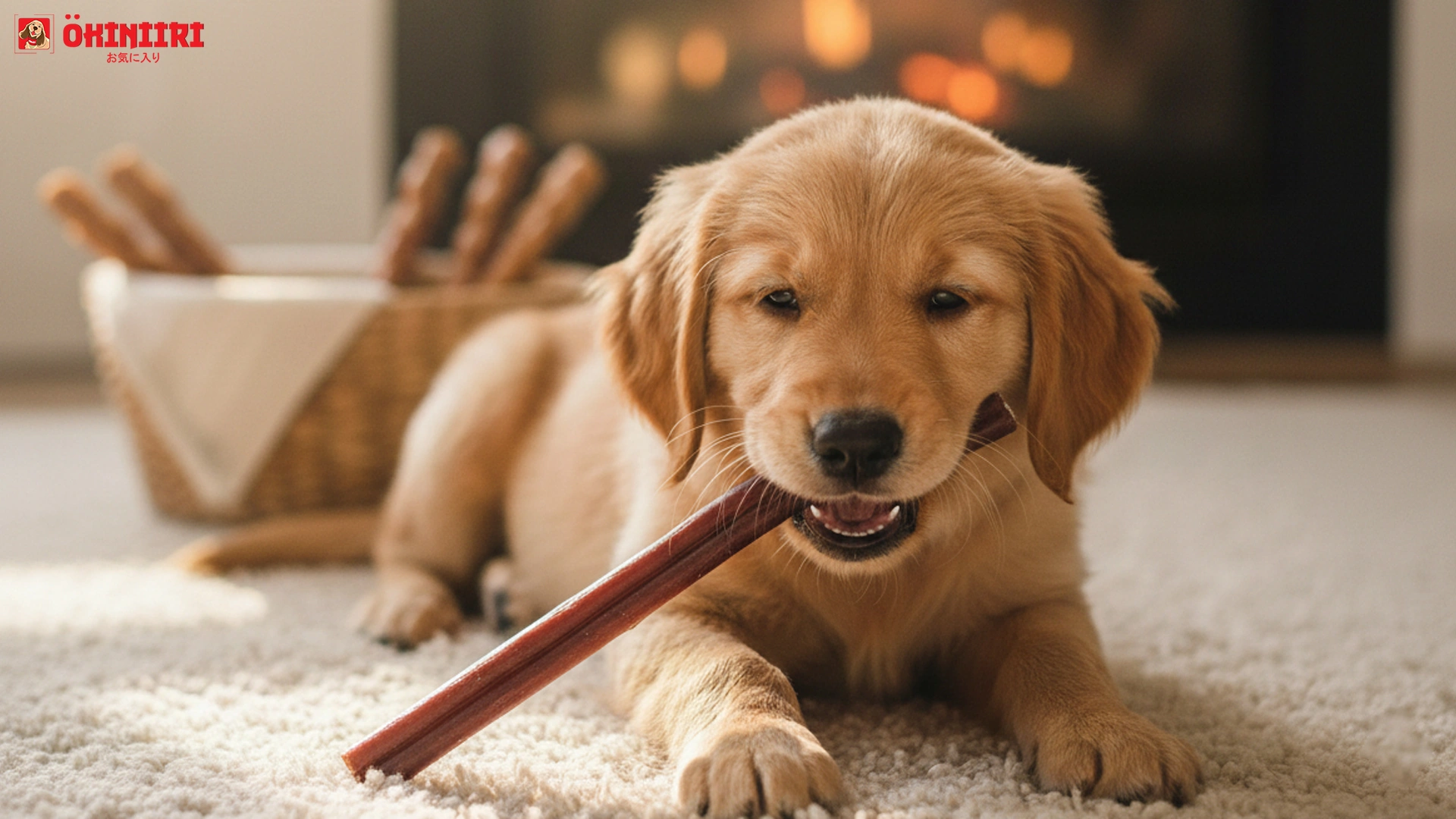
Discover the best bully sticks for puppies that are 100% natural, safe, and easy to digest. Perfect for teething, training, and healthy chewing habits made from premium grass-fed beef by Okiniiri.
Welcoming a puppy into your home is one of life’s sweetest experiences. But if you’ve met that teething phase when everything becomes chew-territory for your pup’s jaws, you know the challenges too. That’s why choosing the best bully sticks for puppies matters. With the right chew, you give your pup relief, redirect unwanted chewing, and support healthy habits. With the wrong chew, you risk choking, digestive upset or dental damage.
In this article we’ll explore what makes a bully stick puppy-friendly, how to select one wisely, how often you should give one, and highlight safe alternatives so your little fur-friend can chew with confidence.
Why Puppies Need Good Chews
When a puppy is young, there are a lot of changes happening as new teeth are coming in; old baby teeth are falling out. Their jaws are developing, and their chewing drive is high. Giving them a safe, satisfying chew treat helps in several ways:
- Teething relief: Chewing helps pups ease discomfort as those new adult teeth come in.
- Redirecting destructive chewing: Instead of your shoes or furniture, a valid chew can channel that energy.
- Mental stimulation: Chewing is a soothing, focused activity for puppies.
- Dental support: While not a substitute for brushing or vet care, the right chew can assist in cleaning some plaque and promoting healthier gums.
Choosing the right chew is especially important for puppies, because their stage in life means they are more vulnerable as smaller mouths, more sensitive stomachs, less chewing experience.
What Are Bully Sticks & Why They’re Popular
You may already know what a bully stick is, but here’s a quick rundown for context: A bully stick is an edible chew, usually made from beef muscle (often the “pizzle” of a bull or steer). What makes them appealing:
- They are single-ingredient (often just beef) and digestible, according to the American Kennel Club (AKC).
- They don’t splinter like many bones or rawhides can, making them safer in many cases.
- They satisfy the chewing instinct, thereby helping reduce undesired chewing behaviors.
For puppies who are ready to chew, a high-quality bully stick can be a valuable part of their treat rotation.
When Are Bully Sticks Safe for Puppies?
One of the most frequent questions: “When can a puppy have bully sticks safely?” The answer: It depends. According to the AKC, bully sticks are suitable for dogs “of any breed, age, or size … they’re even suitable for puppies, as long as your puppy can chew hard food or treats on their own.”
That said, here are key guidelines to follow:
- Wait until the puppy is at an age where chewing hard food or treats is safe (many pups around 3-4 months are beginning to).
- Ensure the chew size is appropriate for the puppy’s size and jaw strength.
- Supervise the puppy while chewing the stick, just because the chew is edible doesn’t mean automatic safety.
- Remove the chew once it becomes too small or the puppy can swallow it whole.
A veterinary expert on a Q&A site (JustAnswer) also emphasises this: “The issue with any type of chew can be if the dog is able to chew it up or try to swallow it too soon.”
In short – yes, puppies can safely enjoy bully sticks, but only when the chew is chosen and used responsibly.
What to Look For in the Best Bully Sticks for Puppies
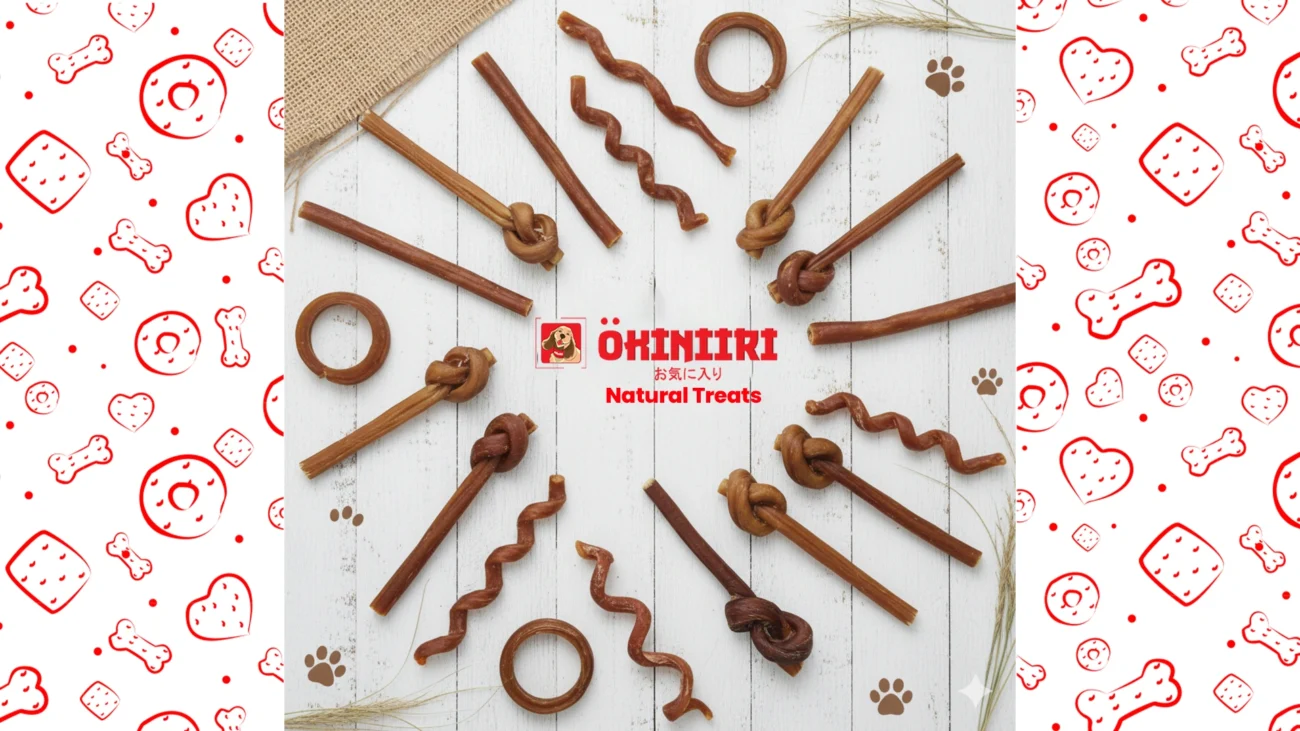
Here’s a checklist you as a pet parent can use to evaluate bully sticks for your young dog:
1. Single-Ingredient, Natural Sourcing
Choose bully sticks that are truly just beef (or equivalent) with no additives, preservatives or coatings. The AKC recommends looking for chews with clear ingredients and high digestibility.
2. Size & Thickness Appropriate for Puppies
For a puppy, a chew that is too large or thick may be unmanageable as there is risk of the puppy breaking off large pieces or swallowing whole. According to the AKC’s chew guide: size matters, and the chew should be “large enough so your dog can’t get the entire thing in their mouth at once.”
3. Softness / Texture for Young Chewers
While you want the chew to be durable and long-lasting, for very young pups a moderately soft option is kinder on developing teeth and jaws. Some producers offer “soft bully sticks for young dogs” or “puppy bully sticks” variants.
4. Odor-Reduced Options for Indoor Living
For indoor puppies or owners sensitive to chew smells, “odor-free bully sticks for puppies” are available as these are processed to minimize smell without sacrificing chew quality.
5. Vet-Recommended & Safe Manufacturing
Always pick a reputable brand. Ensure transparency in manufacturing (e.g., grass-fed beef, quality control, batch testing). The manufacturing process matters. One blog in Redbarn Pet Products emphasizes safety by choosing the right size and supervising.
6. Think About Rotation & Variety
Even the best chew shouldn’t be the only chew. Rotating with other safe chew options, especially during teething helps keep your puppy engaged and helps protect jaws/teeth from overuse.
How to Use Bully Sticks with Puppies: Best Practice Tips
Selecting a good chew is just half the job. How you use it matters a lot. Here are practical tips:
- Supervise every session. When your puppy is chewing, you should be present. If the chew becomes very short or the puppy is swallowing large chunks, intervene.
- Limit chew time. Especially in the early weeks, allow chewing in moderate sessions (for example, 5-15 minutes depending on the size of pup) rather than leaving a chew available all day. This helps avoid digestive upsets, sets boundaries, and conserves the chew.
- Use the chew as enrichment. Instead of just handing it over, integrate it into a calm part of their routine (after play, as a quiet reward, during rest).
- Remove when small. As the chew is consumed and becomes a small nub, it becomes a swallowing/choking hazard. Take it away at that point. The AKC note: when the chew is worn down, you should remove it.
- Balance treats with diet. Even though bully sticks can be healthy, they still add calories and protein. For a growing puppy you want to ensure you’re managing total intake and not replacing balanced meals with chews.
- Watch for red flags. If your puppy shows signs of vomiting, diarrhea, swallowing odd pieces, or choking, stop and consult your vet. Some chews may cause digestive upset in sensitive dogs. (See JustAnswer vet advice) JustAnswer
Are There Risks? What to Watch Out For
Yes, even good bully sticks come with caveats. Clear awareness helps you avoid issues.
- Choking or swallowing large pieces. The most common risk. Puppies may chew and swallow a chunk before you notice. Supervision and correct size reduce this risk.
- Digestive upset. For puppies with sensitive stomachs, too many rich chews may trigger diarrhea or vomiting. While bully sticks are generally safe, “there are a few considerations to keep in mind to ensure they remain a healthy treat.”
- Dental damage or broken teeth. Especially for young dogs who may chew aggressively on very hard chews. Some vet threads caution about very hard chews. For example, a user wrote:
“My 8 mo mini poodle … my vet warned me about the risk of tooth breakage …” Reddit - Quality & contamination issues. Always buy from trusted sources. Improper manufacturing can lead to bacterial contamination or inconsistent softness/hardness.
- Overuse of treats. Even the best chew should not replace balanced nutrition or supervision.
Safe Alternatives and Supporting Chews for Puppies
If you’re looking for variety or gentler options, consider these alongside bully sticks:
- Soft chew sticks made specially for teething puppies. These are gentler on baby teeth and ready for early chewing phases.
- Puppy dental chews. These typically have textures or mild ingredients designed for teething comfort and oral hygiene.
- Long-lasting soft chews or “puppy training chew treats.” Good for reinforcing training and reward without being overly hard.
- Grass-fed bully sticks or “natural puppy chews for teething.” If you still prefer the bully stick route, emphasise natural sourcing and safer chew size.
- Toy-based chewing alternatives (like chew ropes, safe Kongs filled with puppy-friendly paste) especially when the puppy is very young or has dental sensitivity.
Remember: swap or rotate chews and always supervise.
Final Thoughts: Choosing the Best Bully Sticks for Puppies
If you’re on the quest for the best bully sticks for puppies, here’s your takeaway:
- Make sure the chew is appropriate for your puppy — size, hardness, texture.
- Choose a trusted brand with natural, transparent sourcing (e.g., grass-fed beef; single ingredient).
- Use the chew wisely — supervise, remove before it becomes dangerous, integrate into routine, balance with diet.
- Recognizing the chew is part of a bigger picture- training, nutrition, dental care, supervision.
- Stay alert for any signs of trouble (choking, upset stomachs, dental damage) and consult your vet when unsure.
When done thoughtfully, bully sticks become more than just treats. They become tools for alleviating teething discomfort, redirecting chewing energy, supporting dental health, and making your puppy smile (and chew!) safely.
So yes, for many pups choosing quality bully sticks can be a hugely beneficial move. You just need to pick smart, use them responsibly, and keep those chew times positive.
Happy chewing for your puppy!

